
Neighborhood
Living at Mauna Kea Resort
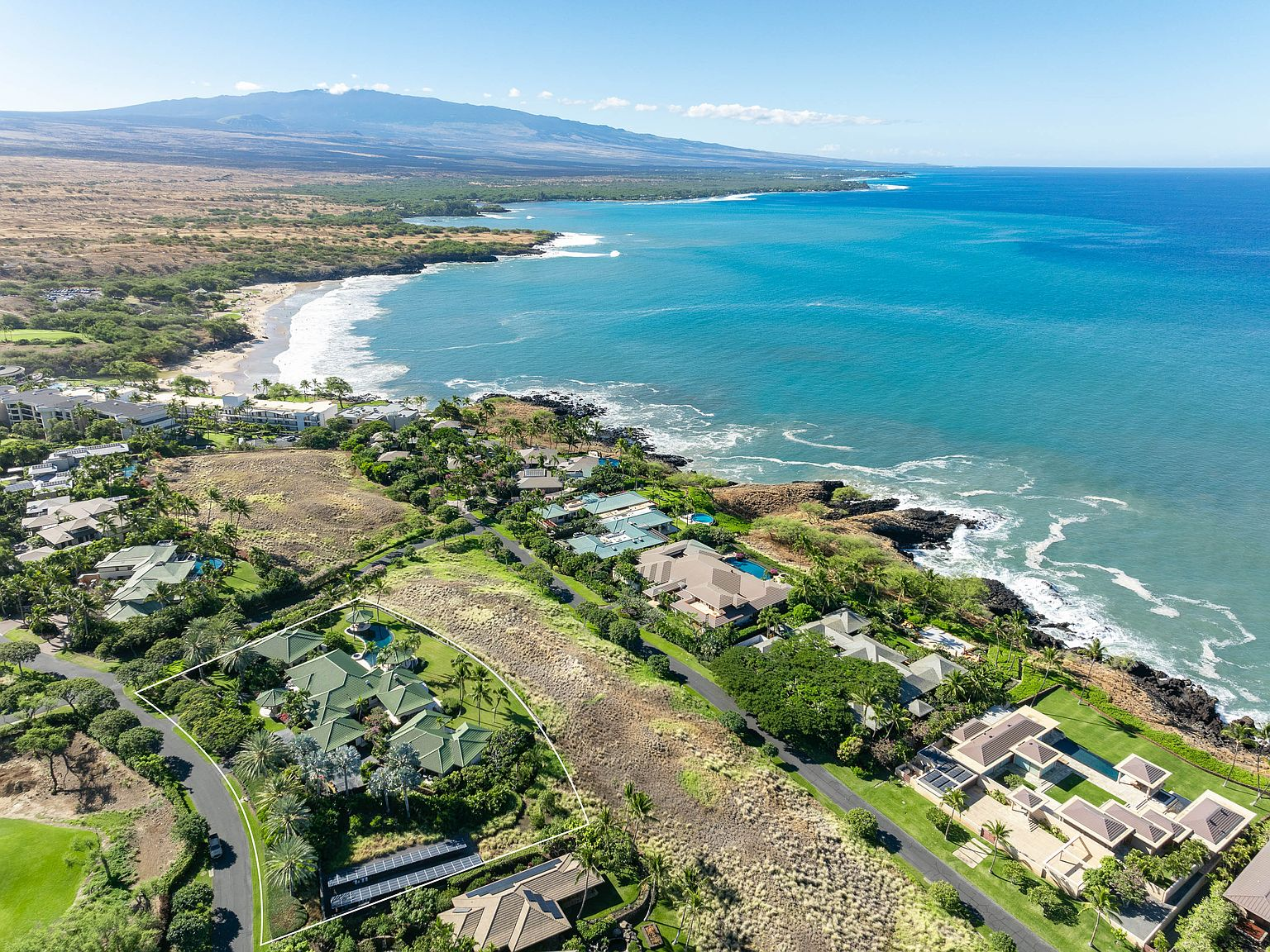
The first thing you notice at 7 a.m. is the light. It comes off the ocean in a flat silver sheet, catches the coral of the drive, and turns the bougainvillea along the resort entrance into something almost electric. By 7:30, the marine layer has burned off Hapuna, and the sky above the Kohala Coast is the deep, unbroken blue that people photograph but rarely describe accurately.
A resort community with deep roots
Mauna Kea Resort was one of the first luxury resort developments on the Big Island, established in 1965 by Laurance S. Rockefeller. The vision was a resort that worked with the landscape rather than reshaping it: low-rise buildings tucked into the volcanic terrain, oceanfront preservation of natural coastline, and a commitment to leaving more open space than built space. That philosophy persists today across 1,800 acres and has been recognized by Condé Nast Traveler, Travel + Leisure, Golfweek, and the Historic Hotels of America.
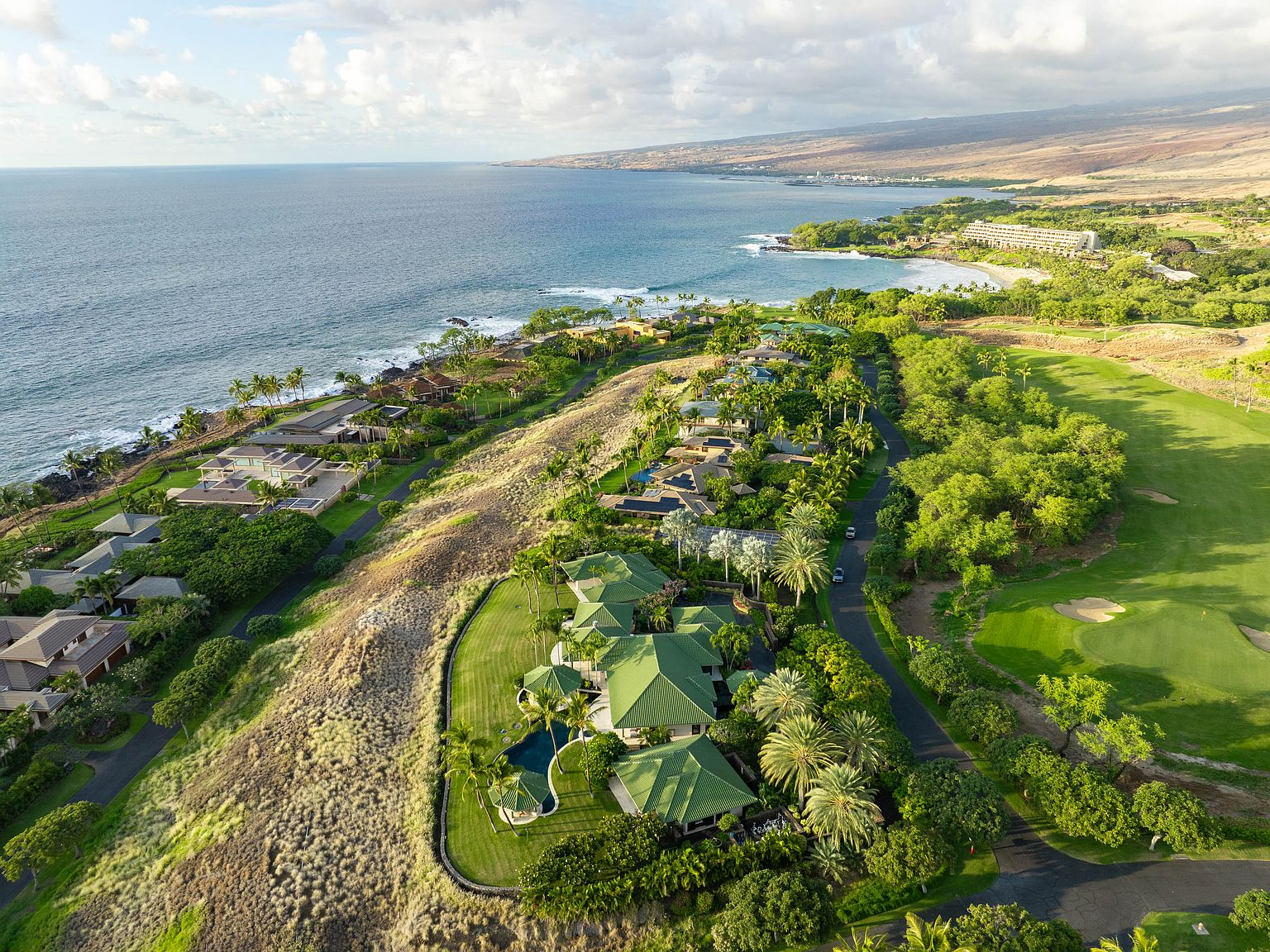
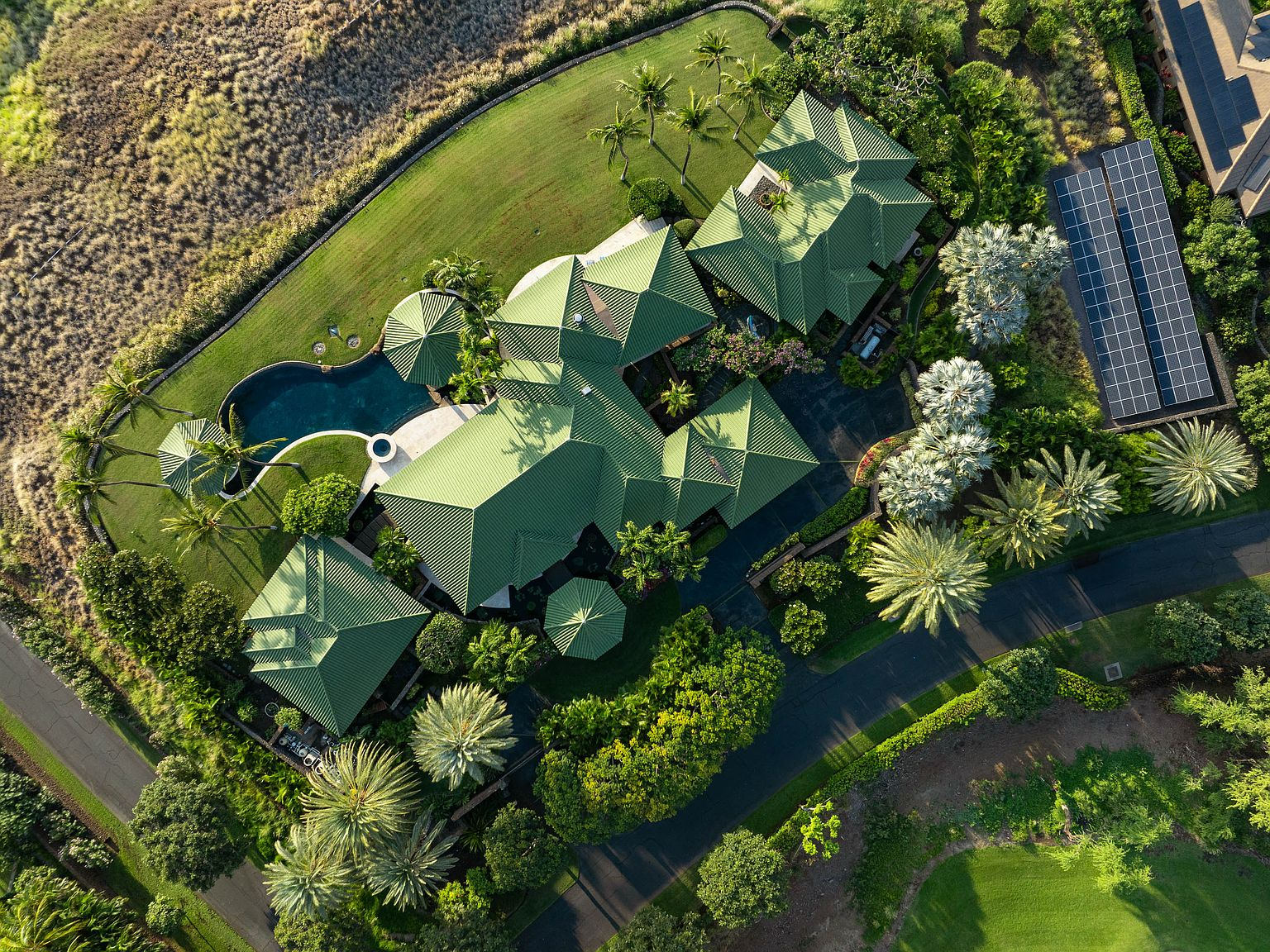
The Bluffs, where Hale Kiekiena sits, is one of the resort's most private enclaves. Gated and elevated, the community occupies a ridgeline position that provides both ocean views and separation from the hotel areas. Neighbors here tend to be multigenerational families who return seasonally, international buyers who visit a few weeks per year, and full-time residents who chose the Kohala Coast for its particular combination of sunshine (nearly 300 days per year), calm ocean, and proximity to the ranching town of Waimea.
The two beaches that define it
Kaunaoa Bay, also called Mauna Kea Beach, is the resort's original beach: a perfect crescent of white sand at the foot of the Mauna Kea Beach Hotel. Ranked #8 among America's best beaches by Dr. Beach for 2025 and featured in Travel + Leisure's guide to Hawaii's finest shores, Kaunaoa Bay has the uncrowded feel of a private shore even though public access is available through a limited parking pass system. The water is calm, the snorkeling along the rocks at either end is excellent, and the sand is the kind of fine, white coral that people drive hours to find on other islands.
Hapuna Beach, about five minutes north, is the other anchor. Consistently ranked among the top beaches in the United States, Hapuna stretches for nearly half a mile with clear water, consistent sand, and enough length that you can always find a quiet stretch. The Westin Hapuna Beach Resort sits at its southern end and was named #10 among Hawaii's best resorts by Travel + Leisure for 2025.
Golf, tennis, and the outdoor life
Two championship golf courses anchor the resort. The Mauna Kea course, originally designed by Robert Trent Jones Sr. and recently reimagined by his son Robert Trent Jones Jr., was ranked #45 among Golfweek's top 200 resort courses in the U.S. for 2024. It plays along the coastline with dramatic elevation changes and ocean-carrying tee shots. The Hapuna course, originally designed by Arnold Palmer and Ed Seay, has just completed a multi-million dollar renovation. All turf on the fairways and tee boxes has been replaced with drought-resistant seashore paspalum, fairways have been reshaped, and bunkers have been modernized. The result is a course that preserves the Palmer character while elevating playability for a new generation.
The Mauna Kea Seaside Tennis Club features courts positioned close enough to the water that you can hear the waves during a rally. Evening floodlighting extends play into the warm Kohala nights.
Kamuela and the ranching culture
The town of Waimea, also known as Kamuela, sits at about 2,600 feet elevation on the slopes above the coast. The cool upland air supports cattle ranching, and the Parker Ranch, one of the largest cattle ranches in the United States, has its headquarters here. The ranching culture shows up in the Friday night rodeos, the country stores, the grass-fed beef on local restaurant menus, and the unhurried pace that visitors mistake for laid-back and locals know is simply deliberate.
The drive from The Bluffs to Waimea takes about 15 minutes and drops you through several climate zones: from the sun-baked coast through kiawe-dotted lava fields, past the Waikoloa resort corridor, and up into the green, cattle-dotted uplands where the air is 10 degrees cooler and the morning fog sometimes sits in the valleys like cotton.
The bottom line
Living at Mauna Kea Resort means inhabiting a place that has already figured out what most resort communities are still trying to become. The beaches are ranked among the best in the country. The golf courses carry decades of championship pedigree and are being invested in for the future. The Mauna Kea Beach Hotel was recognized by Condé Nast Traveler as the #18 luxury hotel in the U.S. in 2025, and the resort received the Historic Hotels of America Sustainability Champion Award in 2024. The architecture respects the land, and the community has enough history to have developed a genuine character. It's not a development that's still finding itself. It's one that knows exactly what it is: a resort built around the ocean, in a place where the ocean, the mountain, and the ranching culture create something that doesn't exist anywhere else in Hawaii.